

3-Step Input Steel Management Process at VHE
At VHE, our commitment to quality begins long before a product is finished. While our QA/QC department conducts thorough inspections of every final product, our core strategy is a...
View moreSteel structures, the robust backbone of countless contemporary edifices, are vital in safeguarding the safety and sustainability of our built environment. This article will guide you in answering that question and equip you with the essential knowledge to select top-tier steel structure products.
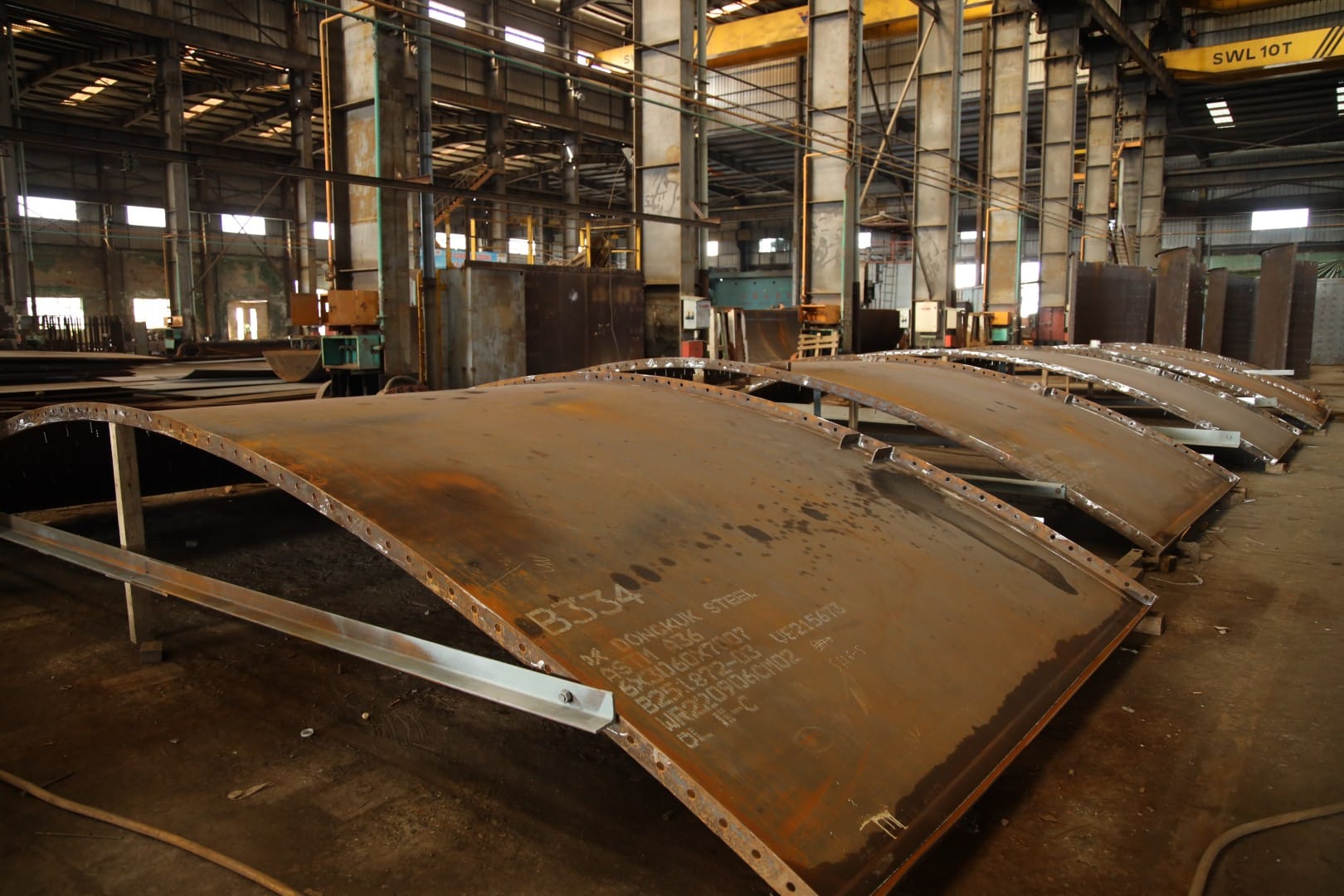
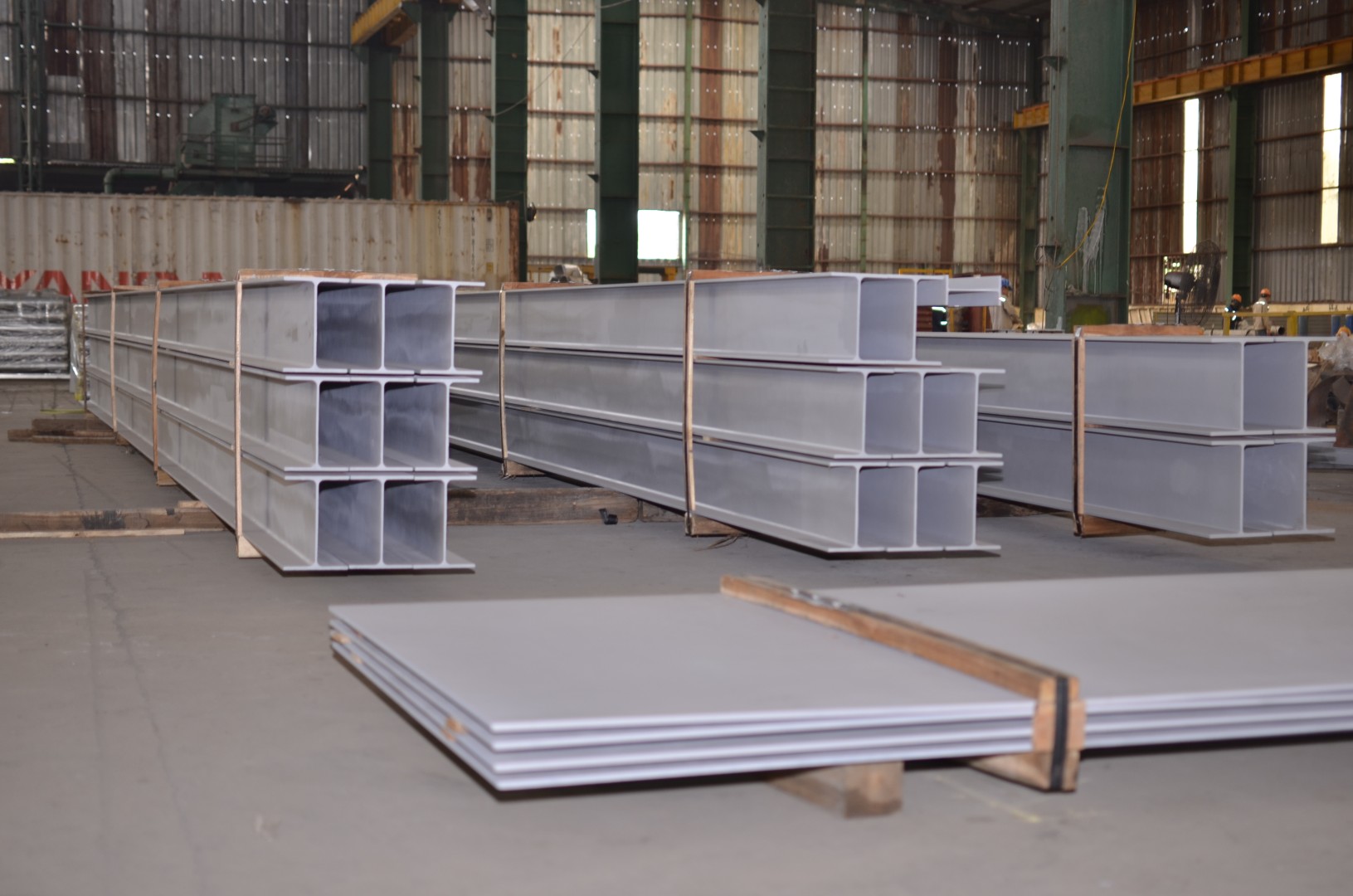
One of the gravest errors in construction lies in the selection of inferior input materials. Opting for an unreliable supplier, coupled with a lack of thorough examination of the steel’s technical specifications before it enters production, frequently results in unforeseen repercussions. The use of subpar steel renders the structure vulnerable to deformation, corrosion, and diminished durability and lifespan.
Significantly, identifying and rectifying these issues once the project is finalized becomes exceedingly challenging and expensive, profoundly impacting safety and performance.
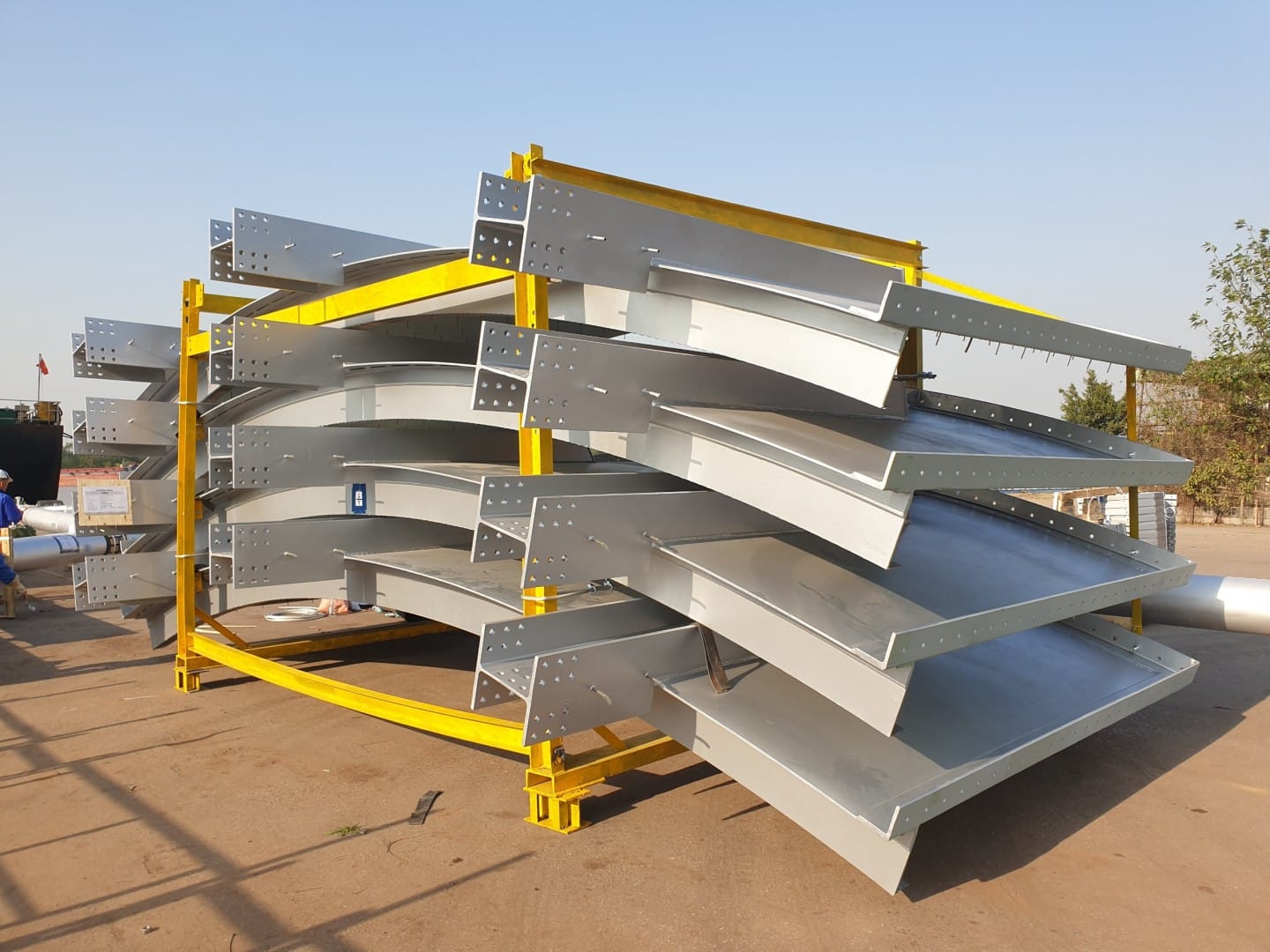
The design phase is a cornerstone in the journey toward project success. Yet, numerous projects encounter significant challenges stemming from design missteps. Inexperience on the part of the designer, miscalculations of the loads impacting the structure, or the ill-suited choice of steel cross-sections can all result in unexpected outcomes. A flawed design may render the structure too fragile, unable to endure the forces it faces, or, conversely, excessively rigid, resulting in material waste and profoundly influencing the project’s visual appeal.
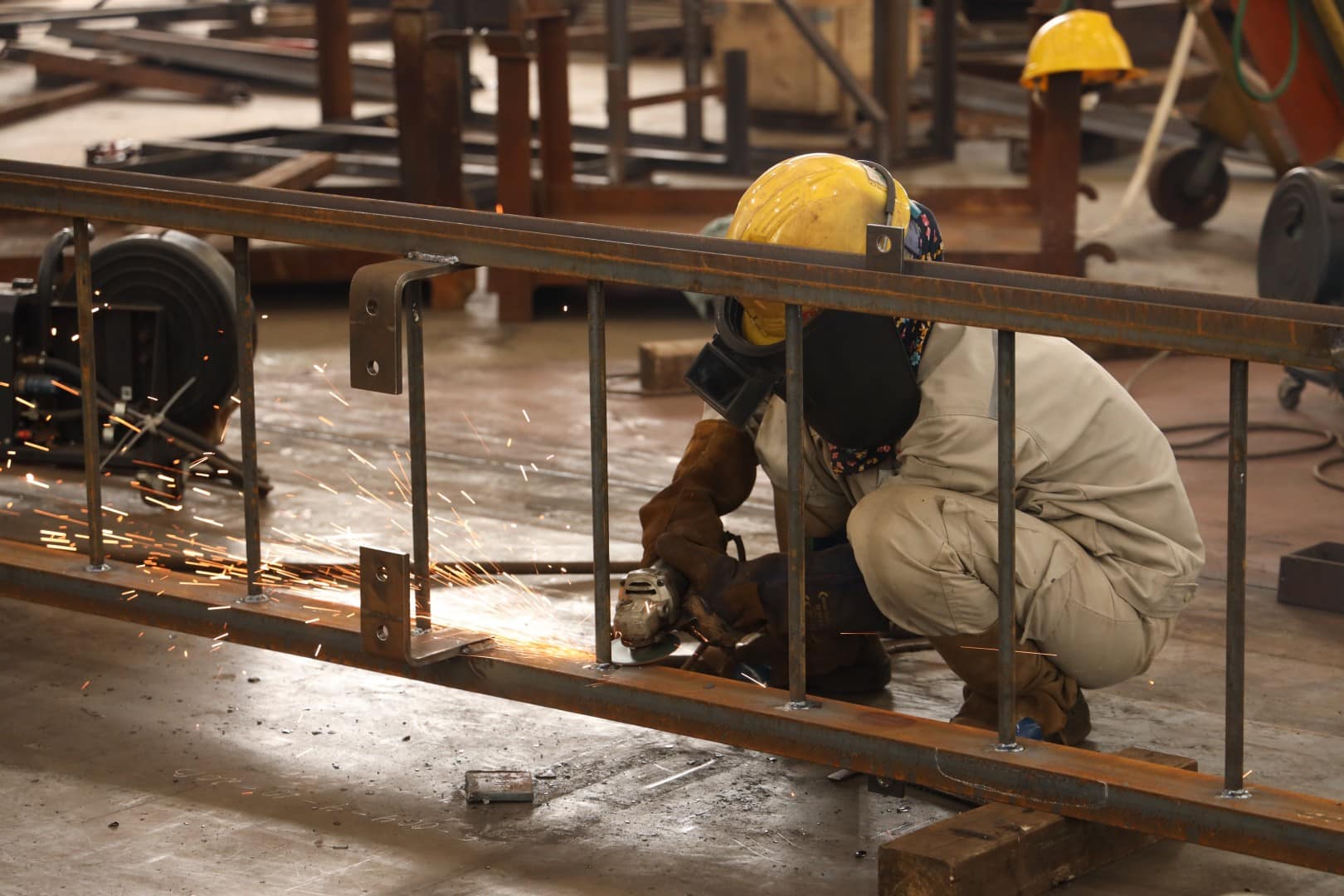
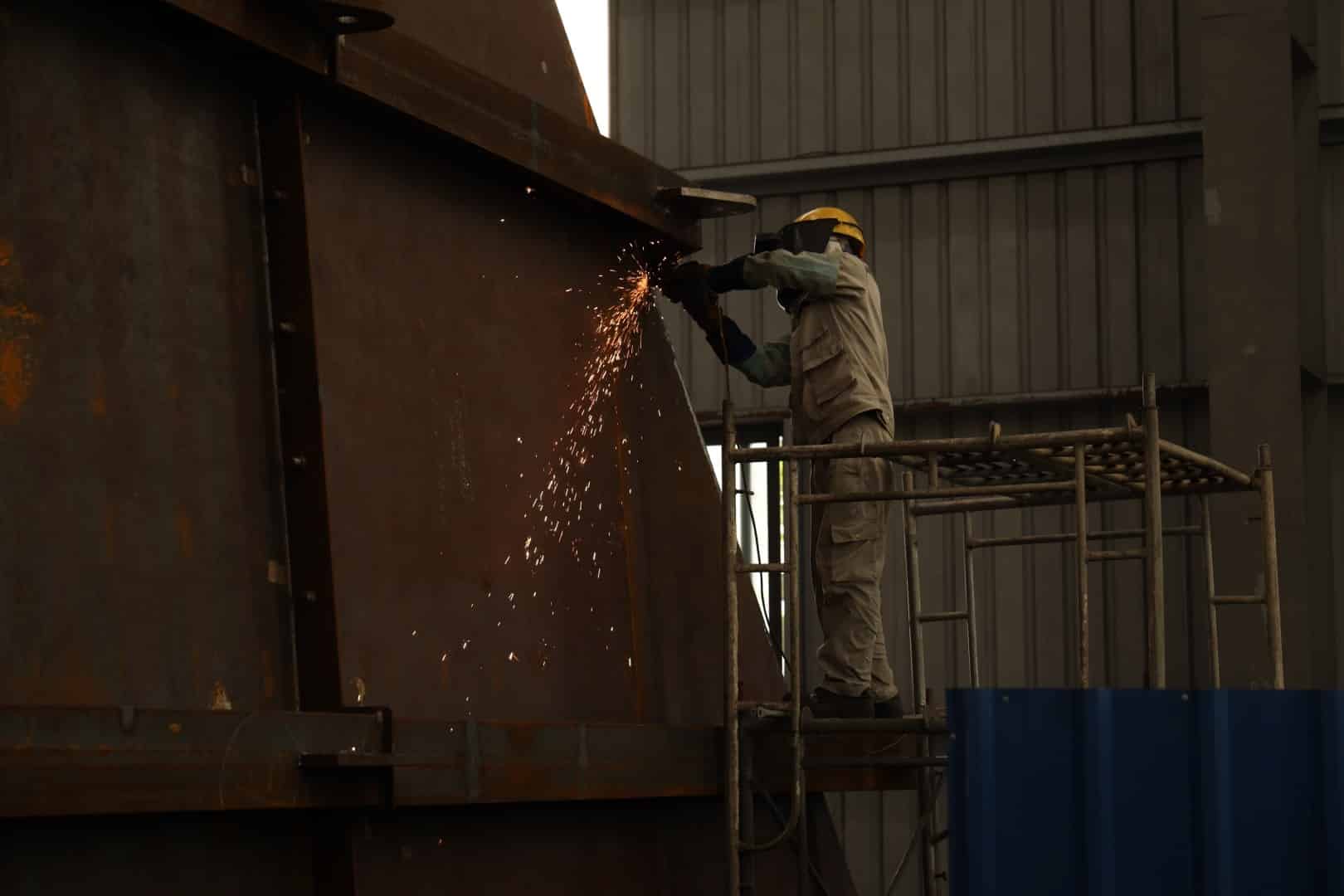
Welding stands as a vital cornerstone in the assembly of steel components, demanding exceptional technical skill and unwavering attention to detail. When executed with precision, it forges strong bonds; however, if the welding process falters, the resulting weld may suffer from pitting, cracking, or inadequate strength.
Such imperfections not only diminish the structural integrity but also introduce the potential for catastrophic failure. Furthermore, the selection of inappropriate welding materials or the application of incorrect welding parameters can lead to a cascade of significant challenges.
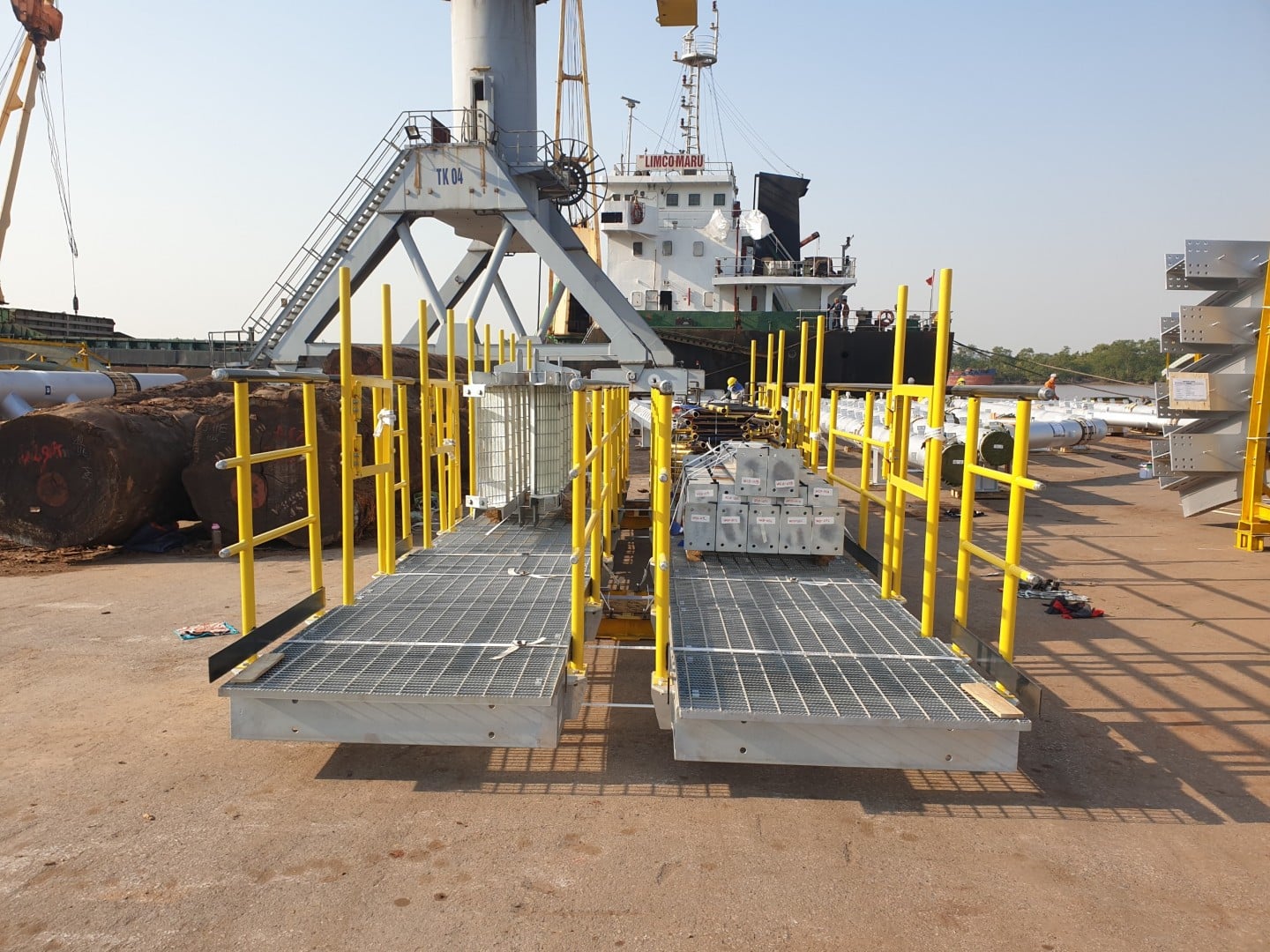
Once the steel components have been crafted, the installation process must be executed with utmost precision. Any misstep in installation, misalignment, or neglect in ensuring proper alignment will greatly diminish the stiffness and load-bearing capacity of the structure. Mistakes during installation not only lead to concentrated stress but also heighten the risk of cracking, jeopardizing the integrity and safety of the entire structure.
Maintenance stands as a vital pillar in preserving the life and performance of steel structures. Yet, it is disheartening to see that many projects overlook or inadequately execute maintenance tasks. Neglecting to apply anti-rust paint on a regular basis and failing to conduct timely inspections and repairs can result in corrosion, diminishing both the durability and visual appeal of the project. This is particularly true in marine environments or regions with elevated humidity, where maintenance efforts become crucial, directly influencing the longevity and resilience of the structure.
Conclusion: The analysis presented reveals that the excellence of steel structures is influenced by a multitude of factors, ranging from the careful selection of materials to the intricate processes of design, fabrication, and installation. Neglecting any phase can result in significant repercussions, jeopardizing the safety and sustainability of the project. Thus, to uphold the quality of the endeavor, it is essential for contractors and investors to prioritize the selection of reputable and seasoned construction teams while diligently adhering to technical protocols.

At VHE, our commitment to quality begins long before a product is finished. While our QA/QC department conducts thorough inspections of every final product, our core strategy is a...
View more
Pressure equipment is essential in a range of industries such as chemical, oil and gas, power generation, food and beverage, pharmaceuticals, and others. These vessels are crafted to handle,...
View more
The manufacturing sector has experienced a remarkable transformation in recent years, driven by the extensive integration of modern technology. Transitioning from conventional workshops with manual machinery, the industry is...
View more
In modern industrial systems, controlling noise and optimizing airflow are essential factors that cannot be overlooked. One of the most effective solutions is the use of splitters in inlet...
View more
In the manufacturing industry, ensuring progress is not merely a necessity but a pivotal element for the triumph of every project. At Viet Han Engineering, timely delivery not only...
View more
For refineries, gas plants, chemical facilities, and heavy industrial processing sites, the riser in a flare system is one of the most critical components for ensuring safety and environmental...
View more
The paint quality stands as a pivotal element that shapes aesthetics while directly influencing the durability and longevity of the product. An impeccable paint layer not only enhances visual...
View more
Impact test, especially the Charpy V-notch test, is a commonly employed technique for assessing a crucial mechanical property of materials: their capacity to absorb energy during impact, referred to...
View more
In the context of the swiftly advancing construction and industrialization sector, steel serves a crucial function in the creation of robust structures and high-quality products. At Viet Han Engineering,...
View more
Steel structure is currently recognized as a promising solution that aligns with various sustainability standards in construction. The forthcoming article will delve deeper into its significance and diverse applications....
View more
We will contact you upon receipt of the information