

Labor: Achieving Sustainable Development at VHE
On the occasion of International Labor Day on May 1st, Viet Han Engineering sincerely expresses its profound gratitude to all staff members – those who have been and continue...
View moreAt VHE, production efficiency, product quality, and a safe working environment are always top priorities.
To achieve this, VHE implements the 5S system—Japan’s renowned workplace management method—to organize, standardize, and maintain a streamlined, scientific, and safe workspace. Beyond improving productivity, 5S also builds a culture of professionalism and discipline, forming the foundation for VHE to deploy Lean Manufacturing and Kaizen across the entire organization.
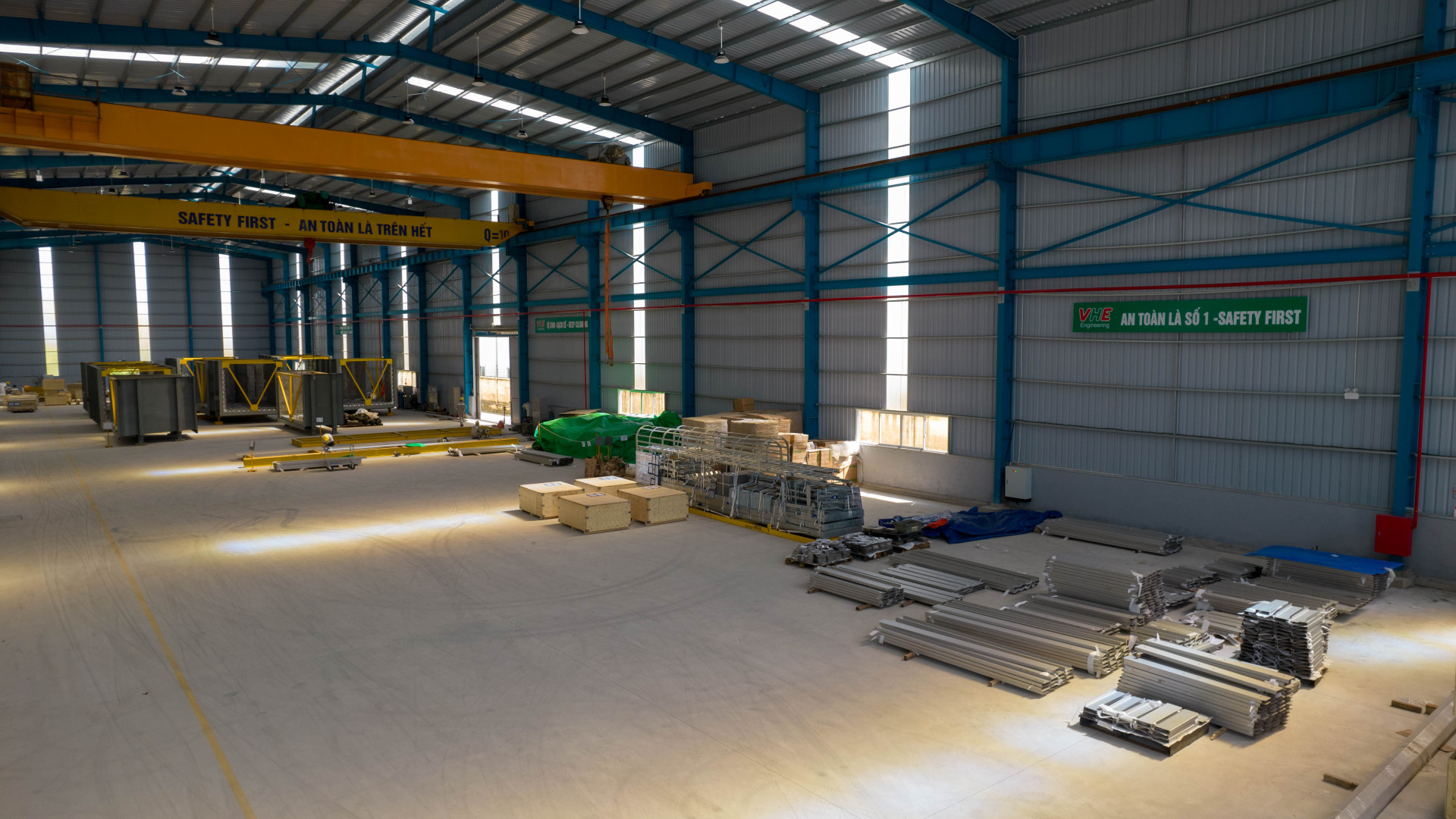
At VHE, the 5S framework is applied based on five Japanese principles:
Seiri (Sort): Remove unnecessary items to reduce clutter and optimize the workspace.
Seiton (Set in Order): Organize tools, equipment, and documents for easy access and use.
Seiso (Shine): Maintain cleanliness, inspect equipment, and identify potential issues early.
Seiketsu (Standardize): Establish and uphold standards for order, organization, and cleanliness.
Shitsuke (Sustain/Discipline): Build consistent habits of following standards and maintaining workplace order.
For VHE, 5S is the starting point for creating a lean working environment and helping employees recognize the value of order, cleanliness, and standardization.

VHE operates in heavy industrial mechanics—Bypass systems, Flare systems, and Piping Systems—where every action requires precision and maximum safety.
Implementing 5S brings practical benefits:
Boosts productivity and efficiency: Employees locate tools faster and eliminate unnecessary motion.
Improves product quality: Minimizes errors and mistakes during production and installation.
Enhances workplace safety: Reduces risks by keeping work areas organized and hazard-free.
Builds a professional culture: Promotes discipline, teamwork, and continuous improvement.

1. Seiri – Sort
VHE begins by thoroughly reviewing all tools, devices, and documents across work areas. The team identifies essential items and removes anything unnecessary. This frees up space and creates a clean foundation for the next steps.
2. Seiton – Set in Order
Tools and equipment are arranged according to the principle “right place, easy to see, easy to access.”
VHE applies visual management techniques such as labels, guidance boards, and color markings to streamline workflow and reduce errors.

3. Seiso – Shine
Employees maintain cleanliness and perform routine equipment inspections. This helps detect early signs of wear, contamination, or hazards, creating a safe and professional workplace that protects personnel, machinery, and product quality.
4. Seiketsu – Standardize
VHE sets standards for workplace order, tool placement, and cleaning schedules. All employees are trained to follow consistent procedures, ensuring that the benefits of the earlier steps are maintained long-term and paving the way for Lean Manufacturing and Kaizen.
5. Shitsuke – Sustain/Discipline
This final step transforms 5S from a practice into a corporate culture. Employees are encouraged to follow standards voluntarily, maintain discipline, and contribute ideas to improve processes.
Leaders monitor and guide the team, ensuring that 5S becomes a daily habit across the organization.

Implementing 5S brings measurable improvements in productivity and product quality. A decluttered, standardized workspace helps employees work faster, make fewer mistakes, and collaborate more effectively.
A tidy and safe environment significantly reduces workplace accidents and protects team members’ health.
Moreover, the culture of discipline and order encourages professionalism, continuous improvement, and stronger team engagement. Far beyond a management tool, 5S serves as the foundation for Lean Manufacturing and Kaizen—helping VHE streamline processes, enhance sustainability, and strengthen its position as a leader in the heavy industrial sector.

Conclusion
The implementation of 5S at VHE not only improves productivity, product quality, and workplace safety but also builds a lean, disciplined, and improvement-driven culture—laying a solid foundation for sustainable business growth.

On the occasion of International Labor Day on May 1st, Viet Han Engineering sincerely expresses its profound gratitude to all staff members – those who have been and continue...
View more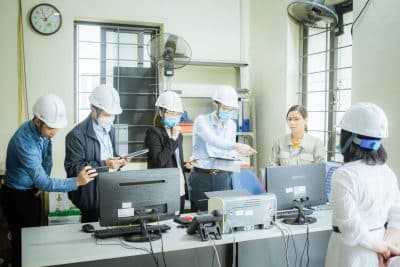
At the core of VHE’s corporate culture is the development of our human resources. In addition to maintaining a professional work environment, we are dedicated to offering employee-centered policies...
View more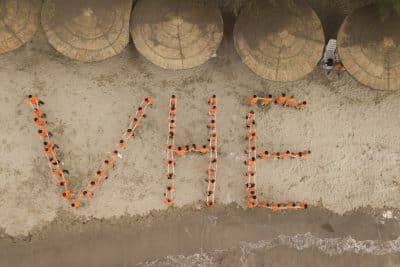
Every year, July 28 marks the celebration of the founding day of the Vietnam Trade Union, a significant occasion to reflect on the role and substantial contributions of the...
View more
Vietnam’s steel structure sector is currently experiencing a challenging phase as the United States, a key export market, has implemented new tariffs on several products from Vietnam, including steel...
View more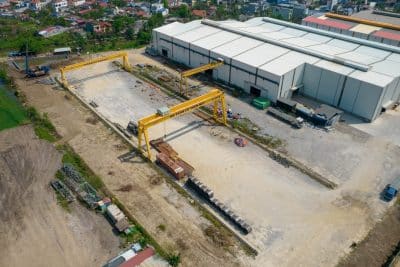
17 years – a remarkable journey filled with experiences, signifying the extraordinary evolution of Viet Han Engineering (VHE). From our humble beginnings in a small office, we have tirelessly...
View more
The year 2024 has brought forth numerous challenges, yet through unwavering dedication and a steadfast work ethic, we have crafted unforgettable memories. Let us reflect on our remarkable endeavors...
View more
At VHE, sports are deemed a vital component of extracurricular activities for our staff. Football, in particular, is a beloved pastime, as it allows VHE team members to channel...
View more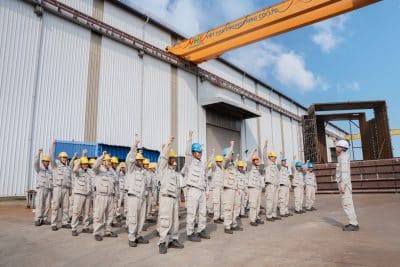
In the context of a rapidly evolving heavy industry, Lean Manufacturing and Kaizen are recognized as two core foundations that help businesses boost productivity, reduce waste, and ensure superior...
View more
Ahead of the new year 2026, amid ongoing fluctuations in the market and production–business environment, VHE remains steadfast in its sustainable development orientation, with people at the core of...
View more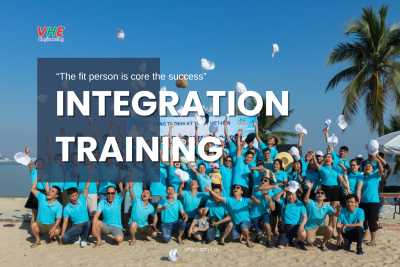
Integration training program is instituted upon the onboarding of new employees to the organization. This initiative aims to address employees’ queries and assist them in acclimating to their roles...
View more
We will contact you upon receipt of the information