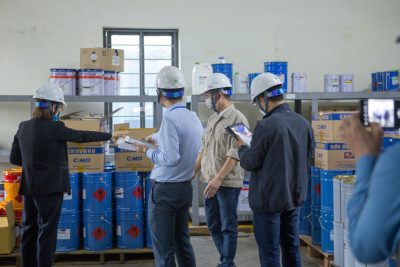
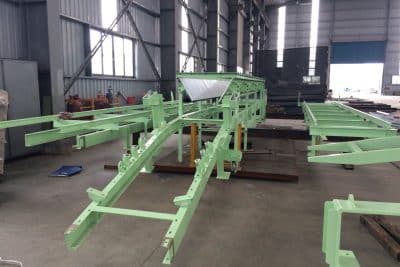
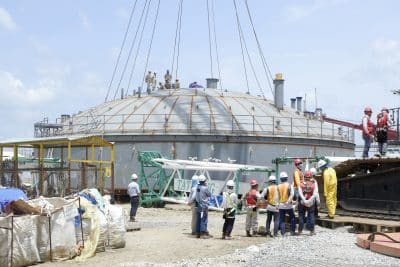
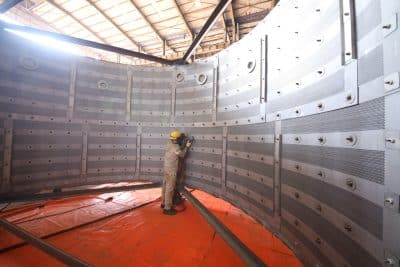
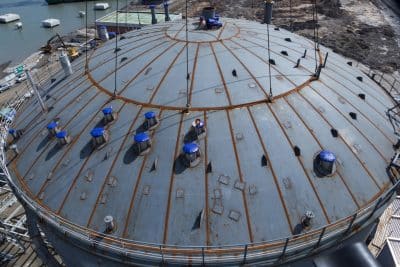
QHSE is a crucial concept in the operations of contemporary enterprises, particularly those in the engineering and manufacturing sectors, such as Viet Han Engineering (VHE). The integration of international standards regarding Quality, Health, Safety, and Environment serves not only as a compliance necessity but also as a sustainable competitive advantage for us.
What is QHSE?
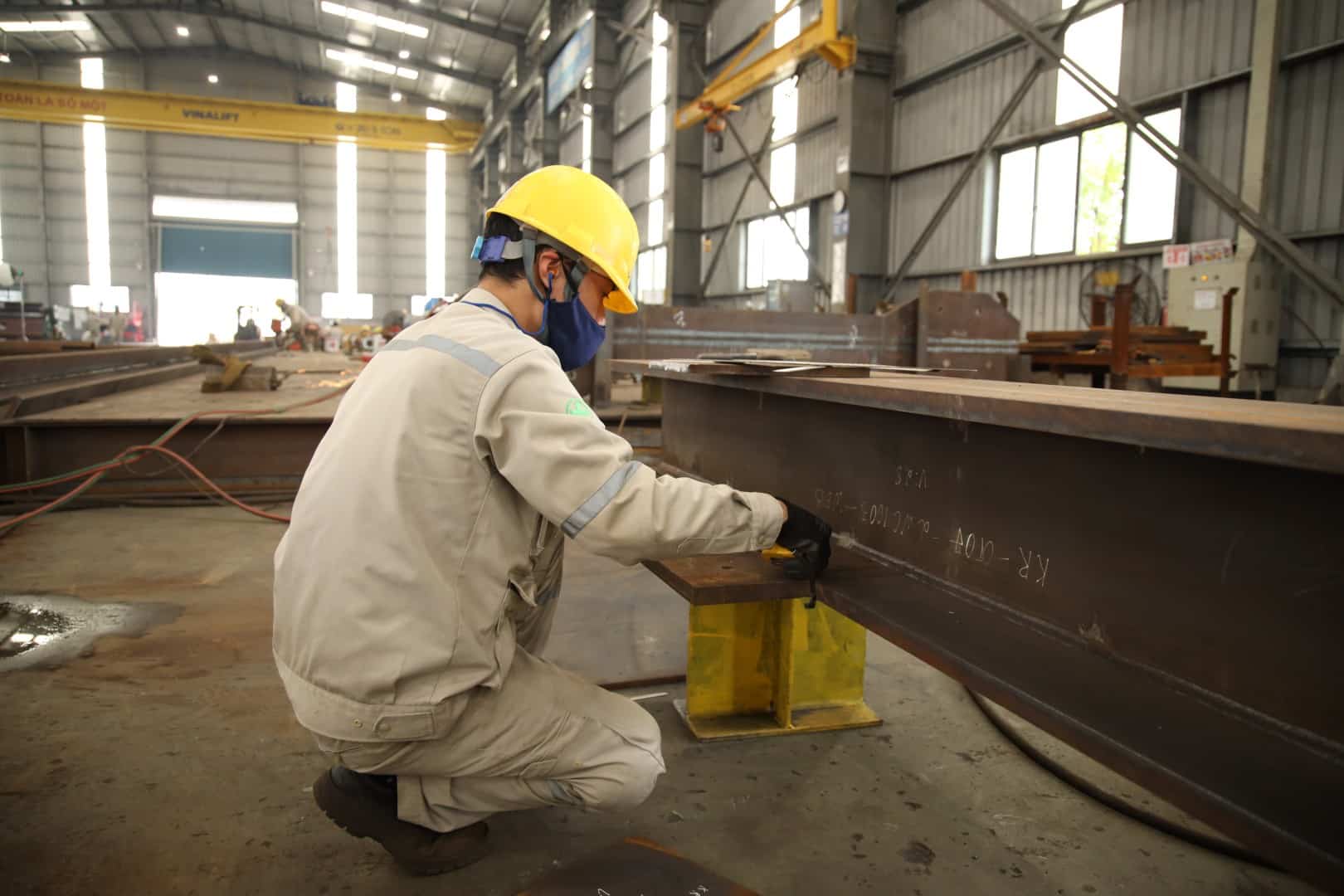
QHSE represents Quality, Health, Safety, and Environment. It is a comprehensive management system designed to ensure that business operations are conducted efficiently, safely, and in an environmentally responsible manner while providing high-quality products and services.
- Q – Quality: Emphasize the importance of fulfilling and surpassing customer expectations by consistently enhancing processes, products, and services.
- H – Health: Safeguard the physical and mental well-being of employees, foster a healthy workplace, and avert occupational illnesses.
- S – Safety: Implement strategies to avert workplace accidents, reduce risks, and foster a secure working environment for all individuals.
- E – Environment: Reduce the adverse effects of business operations on the environment, and encourage sustainable practices such as energy conservation, waste management, and the protection of natural resources.
QHSE Management Framework

A QHSE management system is a systematic framework that assists an organization in efficiently managing and regulating aspects related to quality, health, safety, and the environment. It encompasses the policies, processes, procedures, and resources required to meet the defined objectives. The primary aim of this system is to establish a safe and healthy workplace, deliver high-quality products and services, and function in an environmentally responsible way.
Integration of ISO 9001 and ISO 45001 at Viet Han Engineering
Viet Han Engineering (VHE) serves as a prime example of the successful implementation of the QHSE integrated management system. VHE has adopted and integrated key international standards:
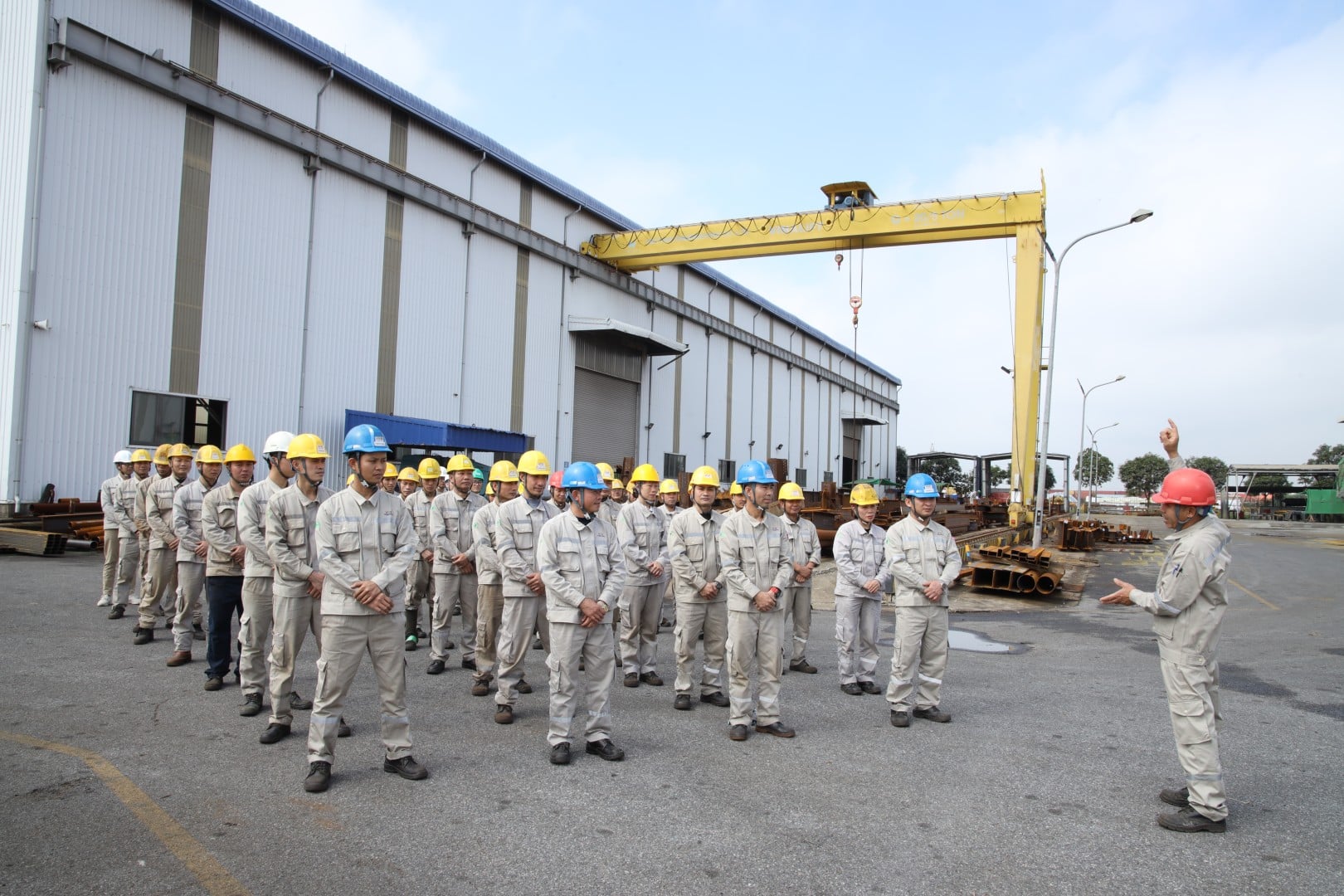
ISO 9001:2015 – Quality Management System: This standard emphasizes an organization’s capability to deliver products and services that fulfill customer and regulatory expectations. The adoption of ISO 9001 enables VHE to create standardized work processes, enhance operational efficiency, and boost customer satisfaction. VHE achieved ISO 9001:2008 certification in 2013 and ISO 9001:2015 certification in 2017, reflecting a robust dedication to quality.

ISO 45001:2018 – Occupational health and safety management systems: This standard offers a framework for managing occupational health and safety risks while preventing work-related injuries and illnesses, especially within the manufacturing sector. The implementation of ISO 45001:2018 enables VHE to foster a safer workplace, decrease incidents, and improve employee well-being.
Integrating these two standards into a unified management system provides numerous advantages compared to implementing each standard independently. This is due to the fact that the standards share a similar High Level Structure (HLS), enabling the optimization of resources, reduction of duplication, and simplification of management processes.
Advantages of implementing a QHSE system
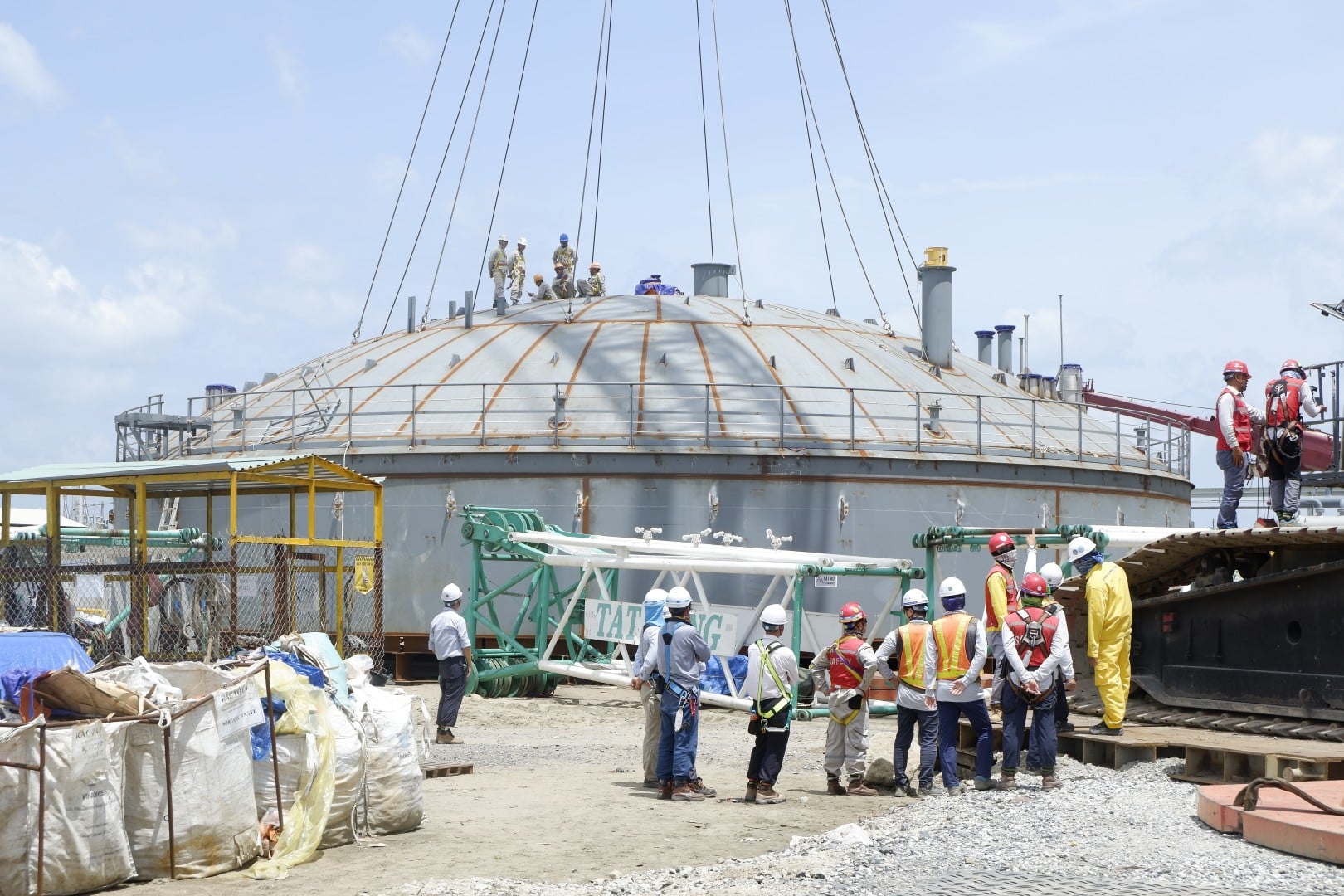
When VHE implemented the integrated QHSE management system in accordance with the standards, it realized numerous significant advantages:
- Enhancing the quality of products and services: By adhering to ISO 9001, VHE guarantees that its technical products and services consistently meet the highest quality standards, fulfilling customer expectations and requirements, which in turn fosters trust and enhances reputation.
- Enhance a safe and healthy working environment: ISO 45001 enables VHE to proactively identify, evaluate, and manage health and safety risks. This leads to a decrease in workplace accidents and occupational illnesses, fosters improved working conditions, and boosts the morale and productivity of engineers and technicians.
- Optimize operations and lower expenses: The integrated management system enables VHE to eliminate redundancy and streamline processes, resulting in savings of time, labor, and operational costs. Internal and external audits can be merged, thereby decreasing the administrative workload.
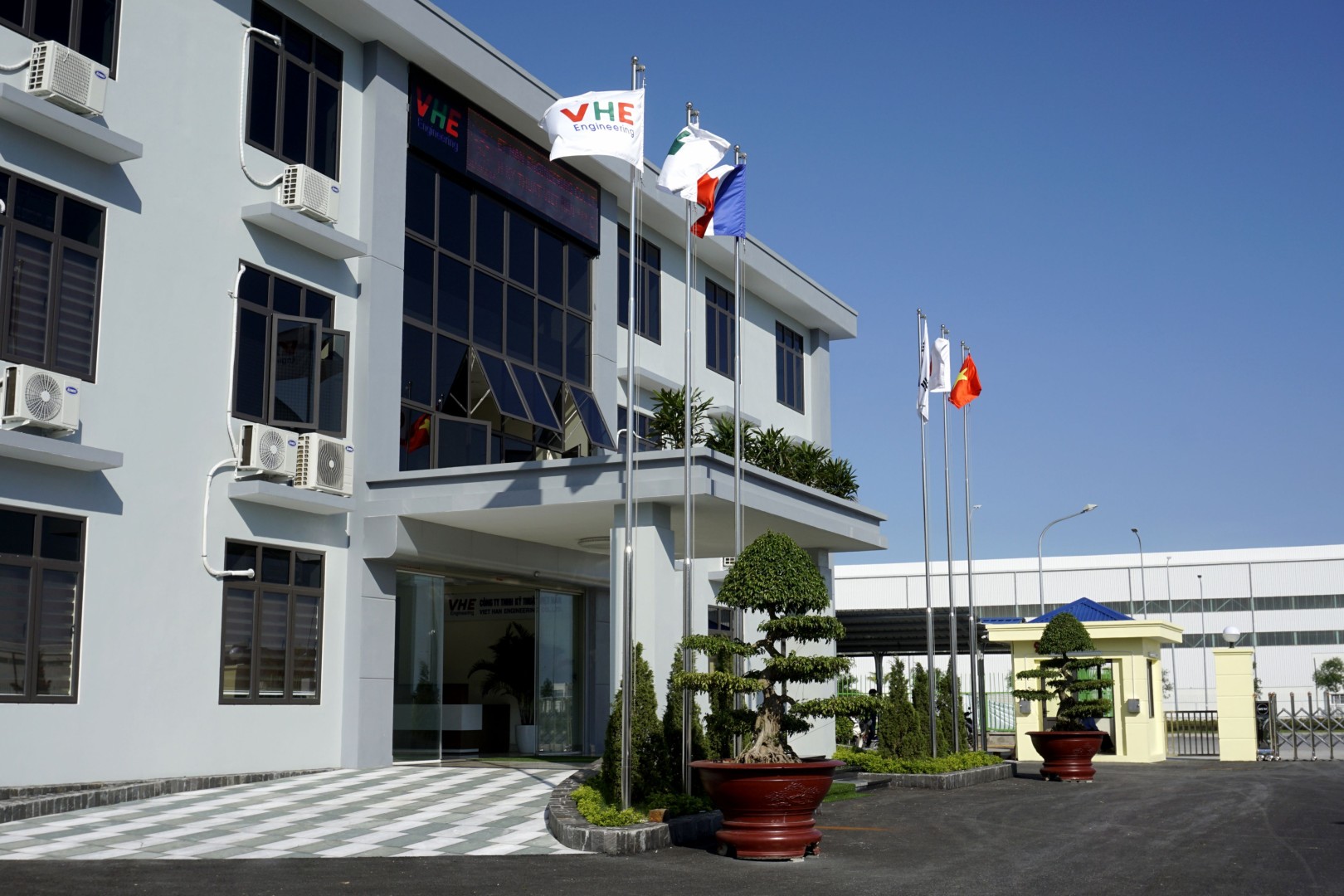
- Enhanced reputation and competitive advantage: Holding international certifications clearly illustrates VHE’s dedication to quality, safety, health, and the environment. This distinction enables VHE to differentiate itself in the market, drawing in customers, partners, and investors, particularly for large projects that demand elevated standards.
- Enhance adaptability and ongoing improvement: The system fosters a culture of ongoing improvement. VHE consistently assesses performance, identifies opportunities for enhancement, and executes corrective measures, ensuring the system stays pertinent to emerging requirements and challenges.
- Adherence to regulations and risk mitigation: The system assists VHE in proactively recognizing and adhering to legal requirements concerning quality, workplace safety, and environmental standards, thereby reducing the likelihood of incurring fines or facing legal complications.
The execution of the integrated system is not merely an investment strategy; it serves as a fundamental basis for Viet Han Engineering to strengthen its position and achieve sustainable development amid an increasingly competitive and unpredictable market.