In modern industrial systems, controlling noise and optimizing airflow are essential factors that cannot be overlooked. One of the most effective solutions is the use of splitters in inlet ducts. Through a standardized manufacturing process, they not only minimize noise and enhance airflow efficiency but also improve the durability of the entire system.

What Is a Splitter?
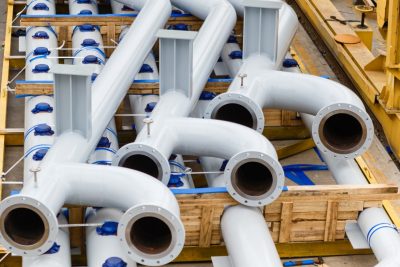
A splitter, also known as a silencer baffle or acoustic panel, is a thin structure installed inside an inlet duct. Its primary function is to divide the airflow into smaller streams, thereby reducing turbulence and creating a smoother, more stable air passage.
Typically, it consists of a durable metal frame, often made of stainless steel, combined with an inner layer of acoustic material such as mineral wool or foam. This inner material absorbs sound waves and significantly reduces noise generated by airflow inside the inlet duct.
Functions of Splitters in Inlet Ducts

High-quality manufacturing plays a critical role in the overall performance and durability of an air system. A precisely designed splitter delivers several key benefits.
The first and most important benefit is noise reduction. In industrial applications such as ventilation systems, HVAC, or aircraft engines, noise levels can be extremely high and disruptive. Splitters help to minimize this noise effectively, creating safer and more comfortable working environments.
Another advantage is improved airflow efficiency. By smoothing the airflow, splitters reduce turbulence and minimize pressure loss within the inlet duct. This allows the system to operate more efficiently, saving both energy and operating costs.
Lastly, splitters contribute to enhanced equipment durability. When the airflow is stabilized, the stress and pressure on other components are reduced. This results in less wear and tear, extending the overall lifespan of the system.

The Manufacturing Process
The process requires precision and strict quality control to ensure the final product meets all technical standards.
The first stage is design and simulation, where engineers use specialized software to optimize the splitter’s performance in terms of both noise reduction and airflow management.
Next is material selection. The outer frame is usually fabricated from stainless steel to guarantee strength, durability, and resistance to corrosion. The acoustic filling material must provide excellent sound absorption while withstanding harsh operating conditions.

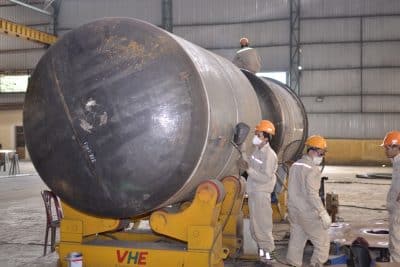
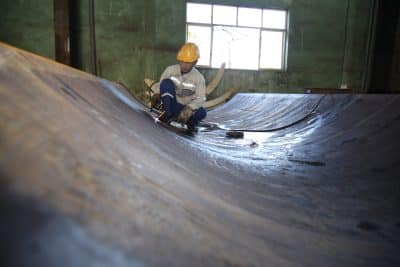
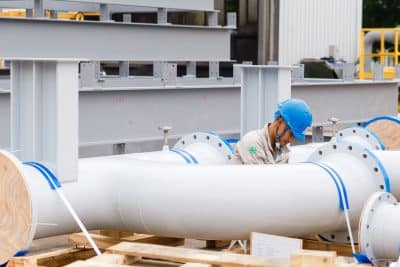
Once the design and materials are finalized, the process begins. Metal sheets are cut and bent according to precise dimensions. The parts are then welded or riveted together to form a strong frame. Acoustic materials are carefully inserted into the frame and secured with protective mesh or perforated sheets to prevent movement during operation. Finally, the product undergoes surface treatment for corrosion resistance, followed by a comprehensive quality check before delivery.
Why Splitter Manufacturing Matters
It is clear that splitter manufacturing for inlet ducts is a highly technical process that combines accurate design, optimal material selection, and strict fabrication procedures. A high-quality one not only reduces noise and optimizes airflow but also increases system durability—delivering long-term value across various industries.
With extensive expertise in stainless steel fabrication and industrial equipment manufacturing, VHE provides reliable solutions that meet the strictest industry standards.