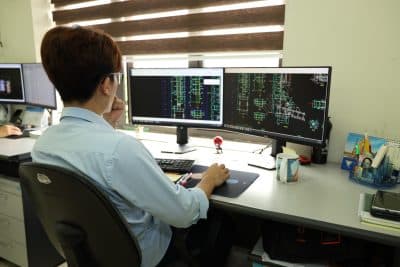
Material waste in production presents a significant challenge for many businesses. It not only elevates production costs and diminishes profits but also impacts product quality and the competitive edge of businesses in the marketplace. So, what exactly is material waste? How can we reduce and prevent this issue during the production process? Let us explore these questions in our article.
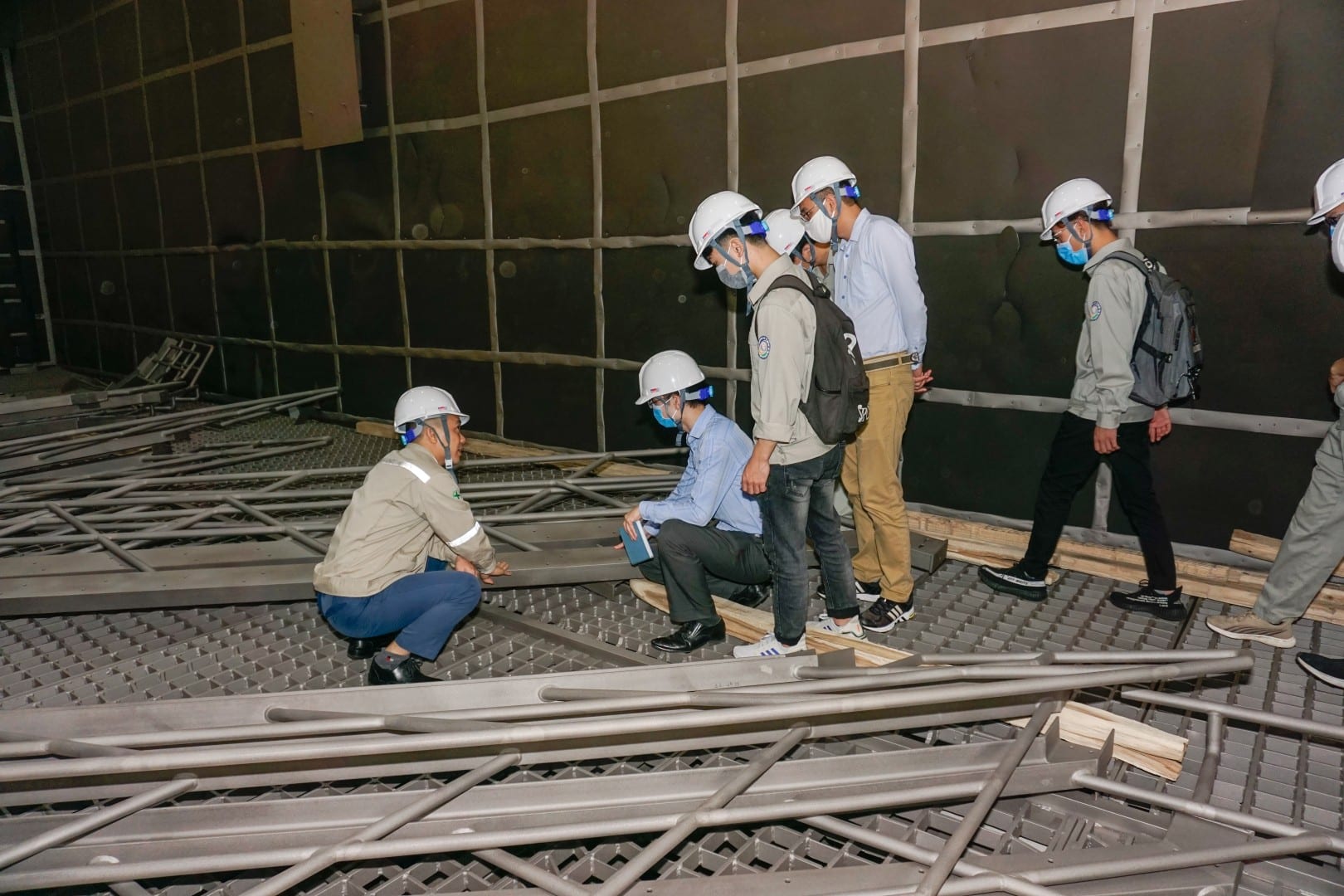
What constitutes material waste in production?
Material waste in manufacturing refers to any activity, process, or resource that fails to contribute added value to the final product. In simpler terms, it encompasses the materials, energy, time, or effort that are squandered during the production process and are not transformed into valuable products or services.
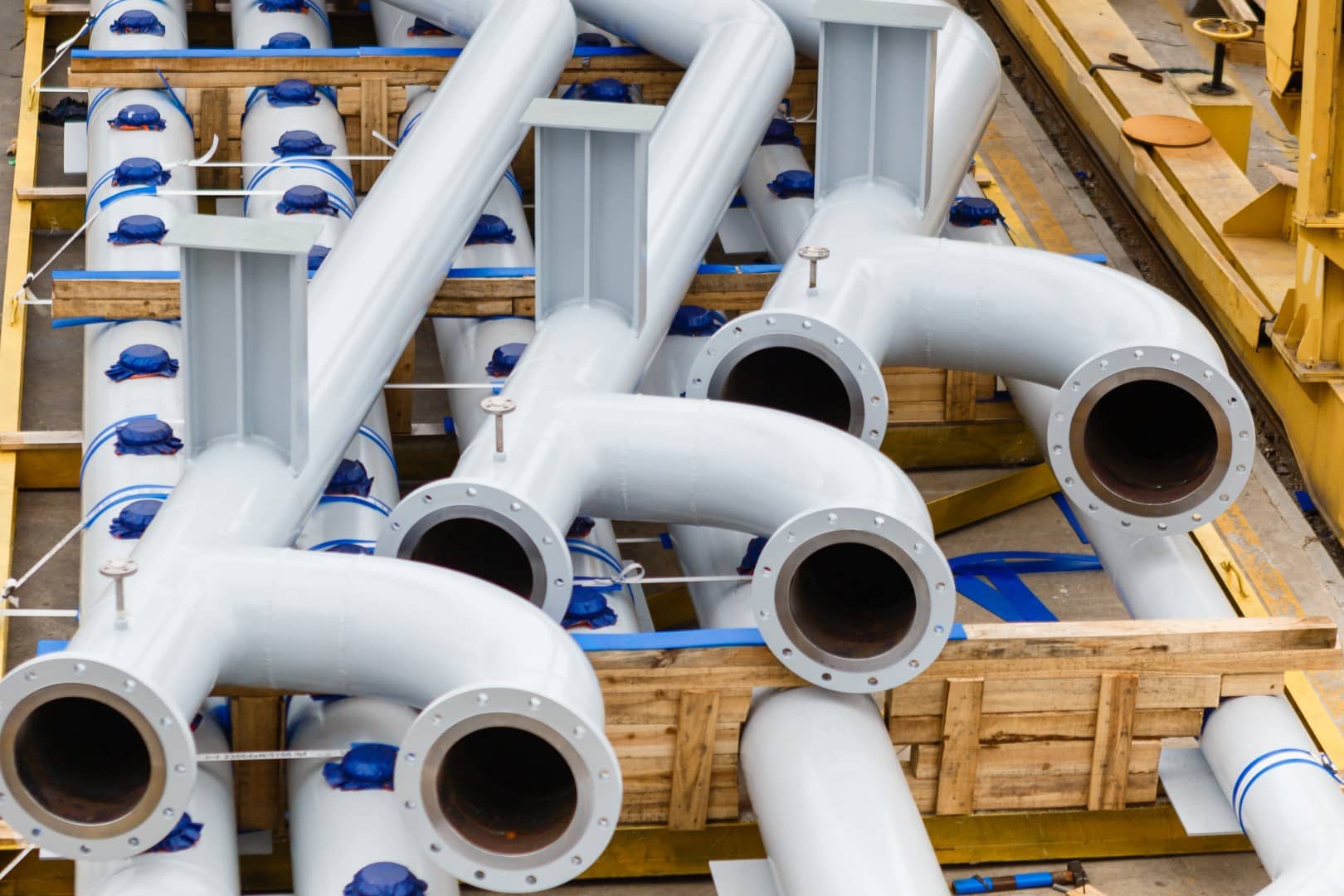
Common categories of material waste:
- Excess waste: The production of an excessive number of products and the accumulation of excessive raw materials result in large inventories, which incur significant storage costs and may lead to damaged or obsolete items.
- Waste resulting from shortages: Insufficient raw materials, causing production disruptions, hindering progress, and impacting product quality.
- Waste of waiting: Machines, equipment, and workers often experience delays due to the unavailability of raw materials, information, or production orders, resulting in a loss of time and resources.
- Transportation waste: The repeated movement of raw materials and products without adhering to an efficient route results in expensive transportation costs and heightens the likelihood of damage.
- Waste resulting from defective and scrap goods: The production of substandard products that need to be discarded, leading to a waste of raw materials and labor.
- Waste resulting from unnecessary operations: Engaging in superfluous actions and procedures during the production process, which extends production time and utilizes excessive resources.
The detrimental impacts of material waste in manufacturing
First and foremost, the wastage of materials leads to higher manufacturing costs. When raw materials are misused, companies must purchase additional supplies to fulfill production requirements, consequently raising product expenses. This situation can diminish the competitiveness of products in the market and decrease profits.
Secondly, the wastage of materials generates a significant volume of industrial waste, adversely affecting the environment. Inefficiently utilized materials are frequently thrown away, resulting in pollution of soil, water, and air.
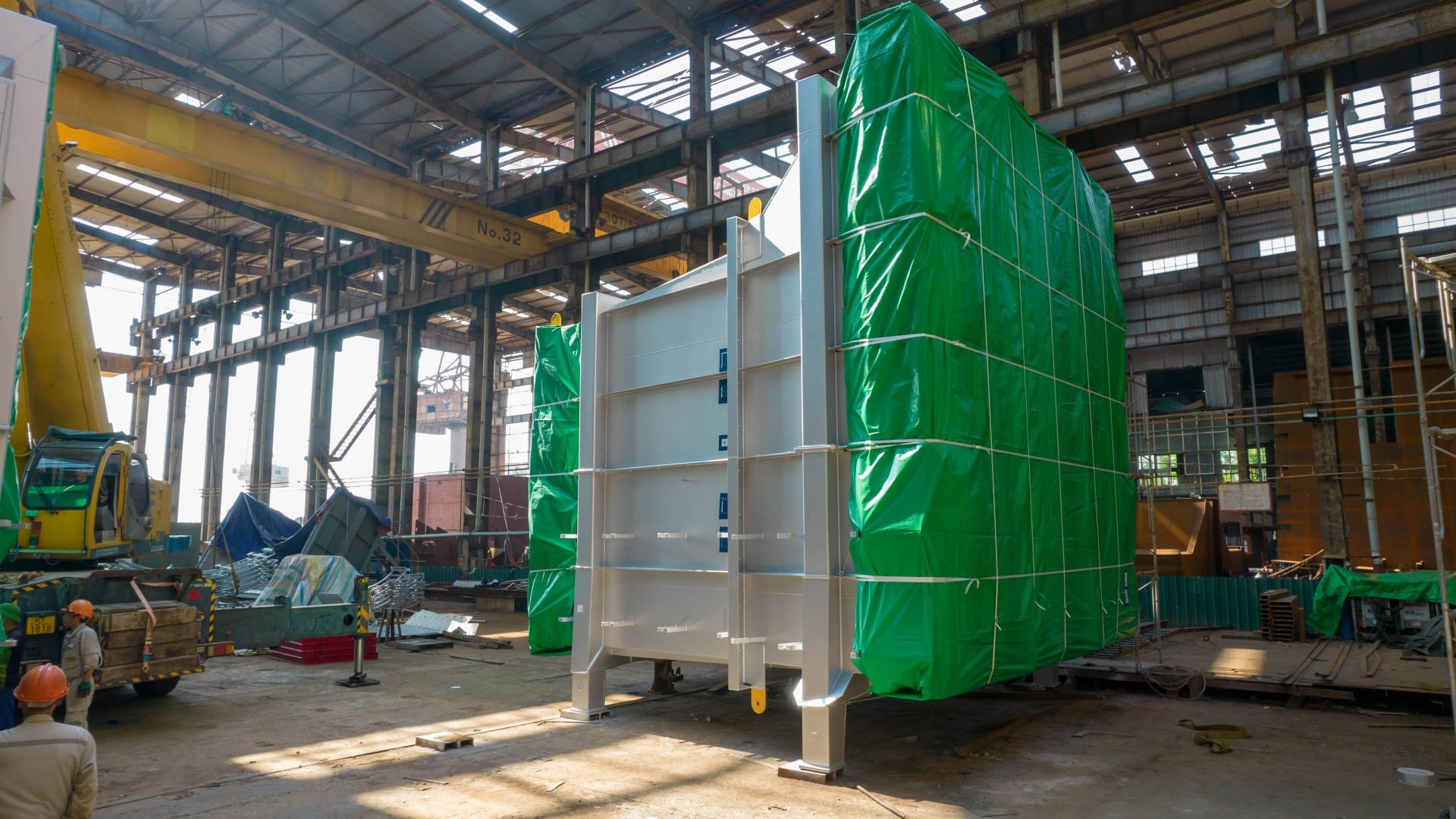
Furthermore, the mismanagement of resources can impact a company’s reputation. As an increasing number of customers prioritize sustainability and social responsibility, businesses that do not effectively utilize their resources may be perceived as negligent.
Ultimately, the waste of materials diminishes already limited natural resources. Inefficient usage hastens the exhaustion of resources, placing strain on ecosystems and future generations.
Consequently, reducing material waste is not only an immediate necessity for companies but also a duty to the community and the environment.
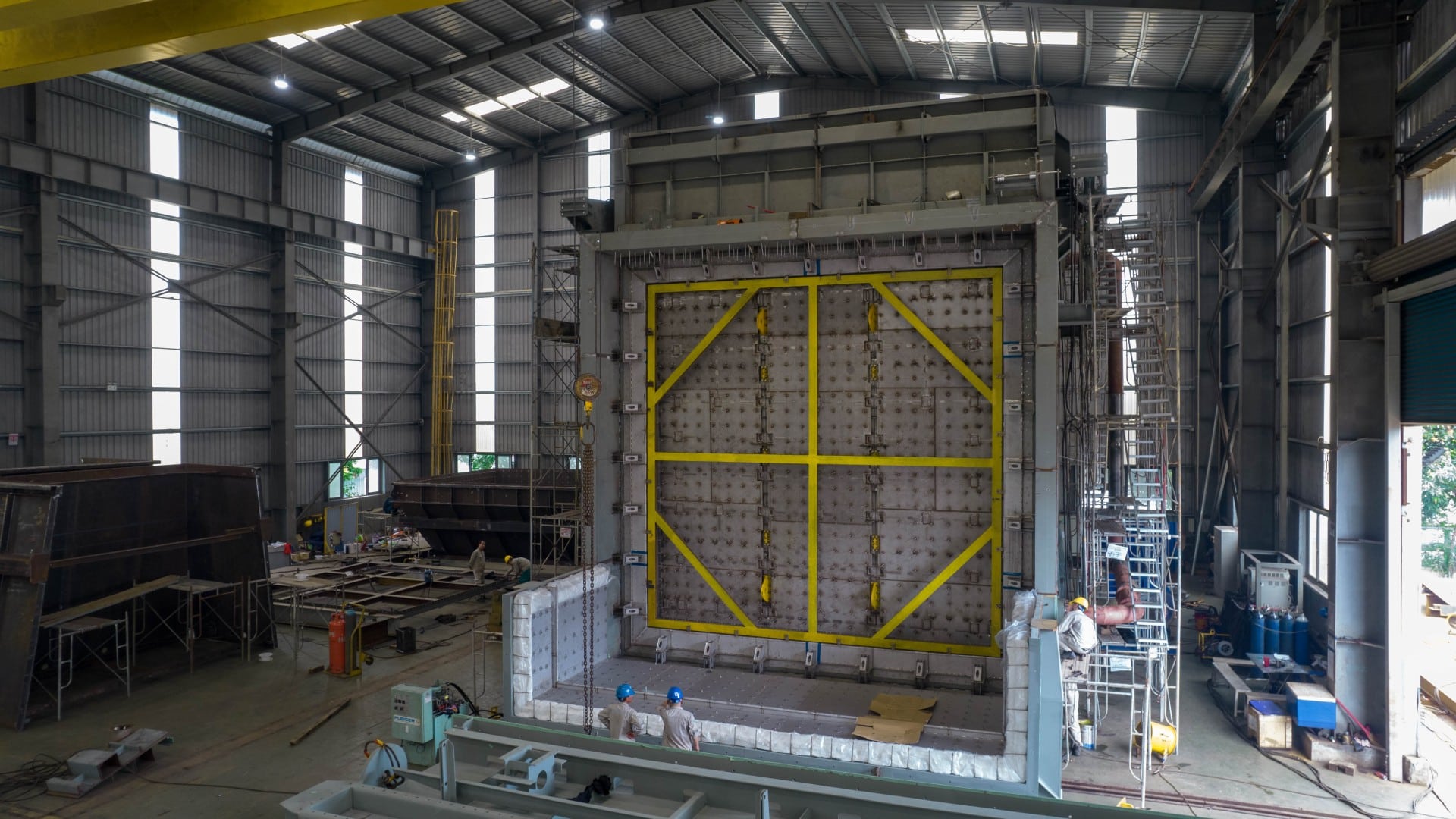
Strategies for minimizing and avoiding material waste in manufacturing
To reduce and prevent material waste in manufacturing, companies must implement various effective and comprehensive strategies. Firstly, thorough and precise manufacturing planning is a crucial element. Companies should assess market demand, accurately calculate the necessary amount of raw materials, and prevent both surplus and shortages. Additionally, utilizing modern technology in supply chain management will aid in monitoring and optimizing resource utilization.
Implementing Lean Manufacturing or Kaizen techniques can enhance processes, minimize waste, and increase material efficiency. Furthermore, educating employees in machine operation and material handling skills is a crucial approach to decreasing technical errors that lead to waste.
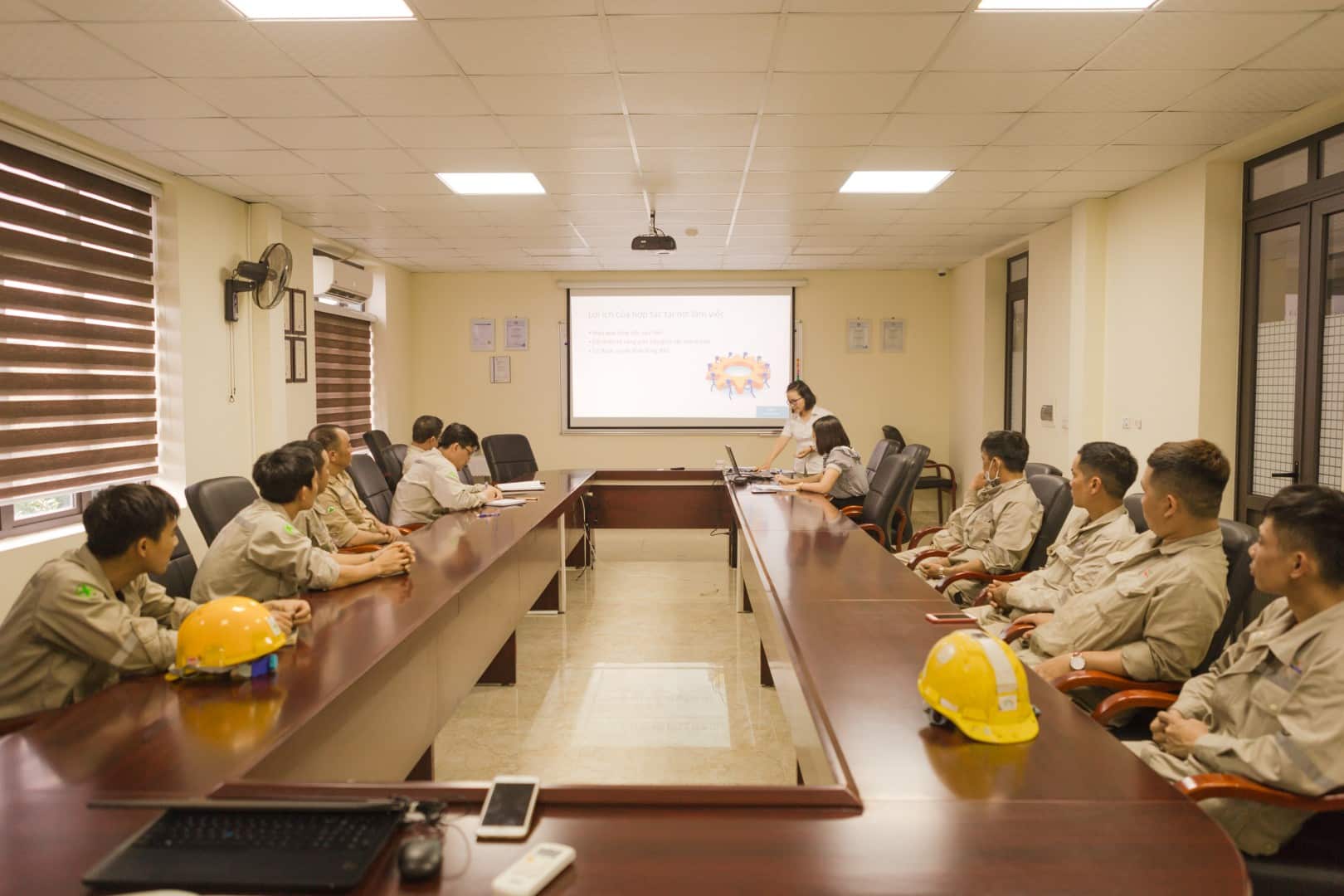
Furthermore, the reuse and recycling of raw materials represent a sustainable approach. Companies can leverage waste or by-products generated during the production process to develop new by-products or raw materials. This practice not only reduces expenses but also aids in environmental conservation.
Ultimately, fostering a culture of saving within your business is a long-term and sustainable endeavor. Encouraging employees to suggest innovative ideas and rewarding initiatives aimed at reducing waste will cultivate motivation and a sense of responsibility across the organization.
Through the integration of technology, processes, and personnel, companies can reduce material waste, enhance production efficiency, and support sustainable development.